
Daikin's Capital Efficiency Challenge: A Call for Strategic Optimization
Daikin is urged to adopt a "cooler, leaner strategy" to address lagging capital efficiency, signaling a need for comprehensive operational and financial optimization across its business.
Working capital optimization
Daikin's reported challenge with lagging capital efficiency strongly suggests an opportunity within working capital management. A "leaner strategy" would inherently involve scrutinizing the company's current asset and liability structure. This could mean optimizing inventory levels to reduce carrying costs and obsolescence risk, thereby freeing up capital tied in stock. Similarly, a focus on improving accounts receivable collection cycles could accelerate cash conversion, enhancing the overall liquidity and efficiency of capital deployment. On the payables side, strategic management of payment terms could also contribute to optimizing the cash conversion cycle without impacting supplier relationships. The goal is to ensure that capital is not unnecessarily tied up in operational cycles, but rather is available for strategic investments or to improve financial resilience.
Operation efficiency
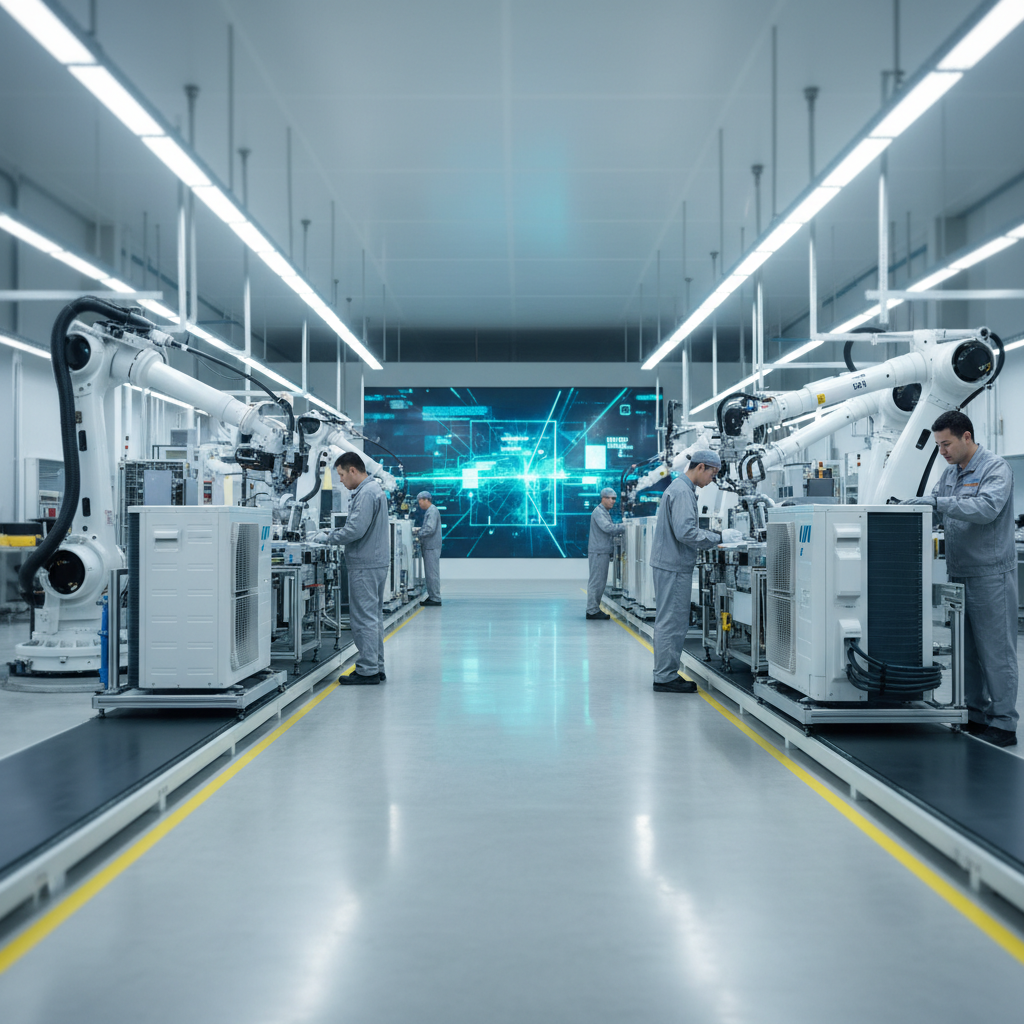
The call for a "leaner strategy" directly points to the need for enhanced operational efficiency across Daikin's business units. Lagging capital efficiency often stems from sub-optimal asset utilization or inefficient processes that consume more resources than necessary. This could involve streamlining production lines, optimizing supply chain logistics, or improving the speed and quality of service delivery. By identifying and eliminating waste in processes, Daikin can reduce operating costs and improve throughput, which in turn means that each unit of capital invested generates a higher return. A focus on operational excellence would aim to maximize output from existing assets, deferring the need for new capital expenditure and improving the return on existing investments.
Cost reduction
A "leaner strategy" is fundamentally about cost reduction. To address lagging capital efficiency, Daikin would likely need to identify areas where expenses can be curtailed without compromising quality, innovation, or customer value. This could involve a thorough review of overheads, direct material costs, and labor expenses. Beyond simple cuts, a strategic approach to cost reduction focuses on value engineering, process re-engineering, and leveraging technology to automate tasks or improve resource allocation. The objective is to enhance profitability and free up capital by ensuring that every dollar spent contributes effectively to the company's strategic goals, directly impacting the return on capital employed.
Organizational productivity
Improving organizational productivity is a key component of achieving a "leaner strategy" and addressing capital efficiency concerns. This involves ensuring that human capital and other organizational resources are deployed as effectively as possible. Measures could include optimizing workforce allocation, investing in training and development to enhance skill sets, or implementing technologies that empower employees to work more efficiently. By fostering a culture of continuous improvement and efficiency, Daikin can ensure that its organizational structure and processes support, rather than hinder, the optimal utilization of its capital. Higher productivity means more output per unit of input, translating directly into improved capital efficiency.
Cash flow optimization
Lagging capital efficiency often correlates with sub-optimal cash flow generation. A "cooler, leaner strategy" for Daikin would undoubtedly involve initiatives aimed at improving the company's cash conversion cycle and overall cash flow profile. This extends beyond just working capital to encompass all aspects of cash generation and deployment. It could involve accelerating revenue recognition, optimizing capital expenditure planning to ensure investments yield timely returns, and carefully managing debt and equity financing to minimize capital costs. The ultimate goal is to ensure a robust and predictable cash flow stream that supports ongoing operations, strategic investments, and shareholder returns, directly reflecting an improvement in how capital is managed and utilized.
High-margin opportunities
While not explicitly stated, a "leaner strategy" often implies a focus on maximizing profitability from existing operations and strategically pursuing opportunities that offer higher margins. If capital efficiency is lagging, it suggests that the current portfolio of products, services, or markets might not be generating optimal returns on the capital invested. Daikin could benefit from a strategic review to identify and prioritize high-margin segments, potentially divesting or de-emphasizing lower-margin activities that tie up significant capital. By shifting focus towards areas with stronger profitability, the company can improve its overall capital efficiency and generate better returns from its asset base.
Source: Nikkei Asia — https://asia.nikkei.com/business/companies/daikin-faces-calls-for-cooler-leaner-strategy-as-capital-efficiency-lags