
China's Dry Bulk Exports Double Since 2020, Reshaping Global Trade
China's dry bulk export volumes have more than doubled since 2020, now driving nearly two-thirds of global dry bulk shipment growth. This shift from a dominant importer to a significant exporter is reconfiguring global supply chains, altering shipping routes, and creating new financial dynamics for shippers and carriers worldwide.
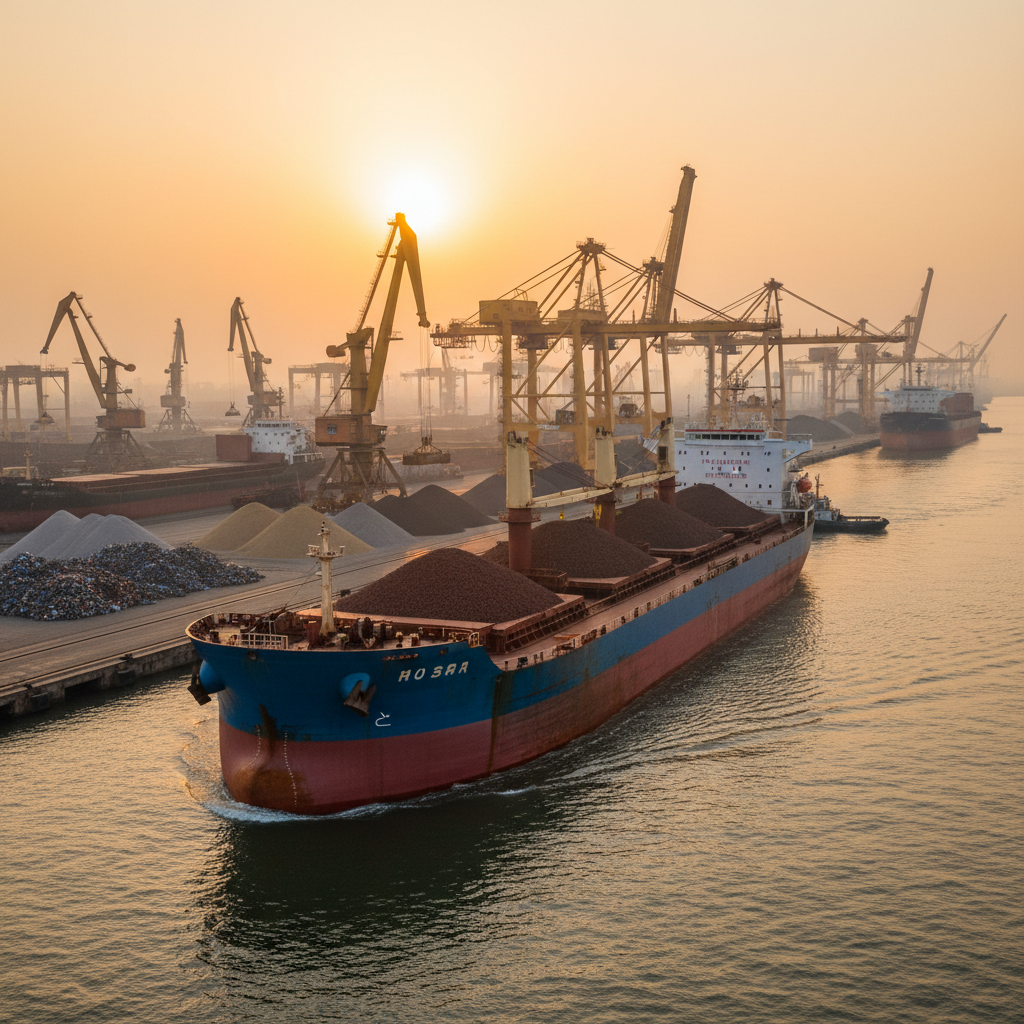
China's Dry Bulk Export Volumes More Than Double Since 2020
China is undergoing a fundamental transformation in its role within the global dry bulk market. Historically recognized as the world's primary importer of raw materials, the nation is now rapidly emerging as a substantial exporter of dry bulk commodities. This shift is not incremental; outbound cargo volumes from China have more than doubled since 2020. This surge is so pronounced that Chinese dry bulk exports now account for nearly two-thirds of the total global dry bulk shipment growth observed this year. This data, derived from vessel-tracking analysis by Ursa Shipbrokers using Signal Ocean data, highlights a structural change in international trade flows.
The implications of this reorientation are far-reaching. For decades, global shipping patterns for dry bulk were largely dictated by China's immense appetite for iron ore, coal, and other raw materials to fuel its industrial expansion. The current trend suggests a maturation of its industrial base, potentially coupled with a strategic push for self-sufficiency in certain sectors or an increased capacity to export finished and semi-finished bulk products. This dramatic increase in outbound volumes signifies a rebalancing of trade, where China is no longer solely a destination for bulk goods but increasingly a source, fundamentally altering the supply and demand equilibrium on a global scale.
Reconfiguring Global Shipping Routes and Port Operations
The rise of China as a dry bulk exporter directly impacts global supply chain flows, shipping routes, and operational strategies. Traditionally, dry bulk vessels would deliver raw materials to Chinese ports, often facing long ballast legs or less lucrative backhaul opportunities for their return journeys. With China's outbound volumes more than doubling, these dynamics are changing. New, more consistent export routes are developing from Chinese ports to various international destinations, offering carriers improved utilization and potentially reducing the prevalence of empty voyages.
This shift necessitates adjustments in vessel deployment. Dry bulk carriers that once primarily focused on inbound voyages to China must now adapt their scheduling and positioning to capitalize on the growing export opportunities. This could lead to a more even distribution of vessel traffic across different trade lanes, potentially easing congestion on traditional import routes while increasing activity on emerging export corridors. Port operations within China will also evolve; facilities previously optimized for receiving large volumes of raw materials will increasingly need to handle efficient loading of diverse dry bulk exports. This requires investments in new handling equipment, storage solutions, and streamlined logistics processes to support higher outbound throughput. Similarly, destination ports globally will need to prepare for an increased influx of dry bulk commodities originating from China, impacting their own receiving infrastructure and inland distribution networks.
Financial Rebalancing for Shippers and Dry Bulk Carriers
The financial implications of China's dry bulk export surge are substantial for all stakeholders in the supply chain. For shippers, particularly those importing dry bulk commodities from China, this development could lead to more stable and potentially lower landed costs. Increased vessel availability on outbound routes from China might translate into more competitive freight rates, benefiting buyers globally. Conversely, traditional exporters of dry bulk commodities to markets now being served by China might face increased competition, potentially impacting their market share and pricing power.
Dry bulk carriers stand to gain from improved fleet utilization and a more balanced global trade flow. The reduction in empty or less profitable backhaul legs can enhance operational efficiency and profitability. Freight rates, which have historically been volatile due to imbalanced trade, could see greater stability as the supply and demand for vessel capacity becomes more evenly distributed across different legs of a voyage. This rebalancing could also influence investment decisions within the shipping industry, with carriers potentially prioritizing vessel types and sizes best suited for China's evolving export profile. The overall financial health of the dry bulk shipping sector could improve as operational risks associated with imbalanced trade are mitigated by these new export opportunities. This structural shift represents a significant financial re-evaluation for long-term planning across the dry bulk ecosystem.
Shifting Global Demand-Supply Dynamics and Operational Adjustments
China's emergence as a dry bulk export powerhouse fundamentally alters global demand-supply dynamics. The fact that Chinese outbound cargo volumes account for nearly two-thirds of global dry bulk shipment growth this year indicates that China is not just participating in the export market, but actively driving its expansion. This suggests a global re-evaluation of where certain bulk commodities are produced and consumed. It implies that either China's domestic consumption patterns have shifted, freeing up capacity for export, or its industrial output in specific bulk sectors has grown beyond domestic needs, or a combination of both.
For supply chain managers, this necessitates a review of sourcing strategies and inventory management. Relying solely on traditional suppliers for certain dry bulk goods may become less optimal as Chinese alternatives become more prevalent and potentially more cost-effective due to improved shipping efficiencies. Forwarders must adapt by developing new service offerings tailored to these evolving trade lanes, including specialized customs procedures and inland logistics for Chinese exports. Carriers, in turn, need to invest in advanced data analytics to predict and respond to these dynamic trade patterns, optimizing their fleet deployment and scheduling to maximize profitability. Ports globally must consider infrastructure upgrades to accommodate these new trade flows, ensuring they can efficiently handle the increased volume and diversity of dry bulk commodities originating from China. These operational adjustments are crucial for maintaining efficient global trade in the face of such a significant market reorientation.
Source: Splash247 — https://splash247.com/china-emerges-as-dry-bulk-export-powerhouse/