
California Voters Reject Permit Streamlining, Prolonging Port Project Delays
California's major ports face extended timelines for crucial infrastructure and clean energy projects after voters rejected Proposition 45, leaving existing environmental permitting hurdles in place. This decision impacts global supply chain efficiency and increases operational costs for shippers and carriers.
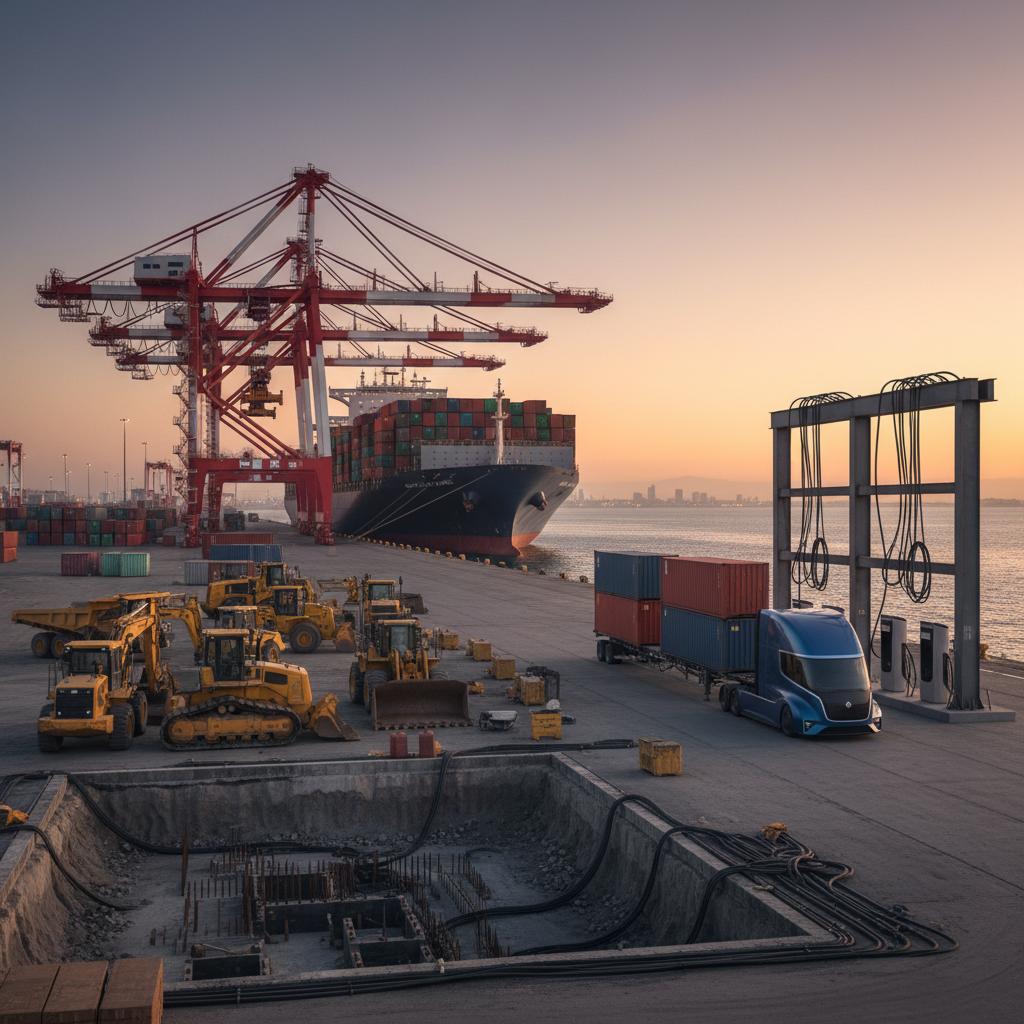
California Ports Face Extended Timelines for Modernization
California's ambition to modernize its port infrastructure and accelerate the transition to clean energy has hit a significant roadblock. Voters recently rejected Proposition 45, a measure designed to streamline the state's environmental permitting processes. This outcome means that the California Environmental Quality Act (CEQA) will continue to impose its current, often protracted, review requirements on all major port development initiatives. For shippers, forwarders, and supply-chain managers, this translates directly into prolonged timelines for essential terminal upgrades, investments in grid infrastructure, and the development of alternative marine fuels.
The immediate consequence is a delay in projects aimed at enhancing port capacity and efficiency. Terminal upgrades, which might include expanding berths to accommodate larger vessels, improving cargo handling equipment, or integrating advanced automation technologies, will now navigate the same lengthy approval processes. This directly impacts the ability of California's ports to adapt to evolving shipping demands and maintain their competitive edge. Furthermore, the deferral of grid investments means that the power infrastructure necessary to support electrified port operations, such as cold ironing for berthed ships or charging facilities for electric drayage trucks, will also be slow to materialize. The development of alternative marine fuels, a cornerstone of the shipping industry's decarbonization efforts, will similarly face delays, hindering the adoption of cleaner energy sources at these crucial gateways.
Trans-Pacific Trade Flows Encounter Persistent Bottlenecks
The defeat of Proposition 45 has direct repercussions for global supply chain flows, particularly across the trans-Pacific trade lanes. California's ports, including Los Angeles and Long Beach, are vital entry points for goods destined for the vast North American market. When infrastructure projects are delayed, the ability to efficiently process cargo, reduce vessel turnaround times, and alleviate congestion is compromised. This perpetuates existing bottlenecks and introduces new uncertainties into shipping schedules.
Carriers operating on these routes rely on predictable and efficient port operations. Extended permitting processes mean that planned capacity expansions or technological upgrades, which could improve throughput and reduce dwell times, will not come online as quickly as needed. This can lead to vessels waiting longer at anchor, disrupting carefully planned schedules and potentially forcing reroutes or diversions to other, less congested, or less strategically located ports. Such disruptions ripple through the entire supply chain, affecting inventory management, delivery times, and ultimately, consumer availability of goods. The inability to rapidly deploy clean energy infrastructure also means that vessels calling at California ports will continue to rely on traditional, higher-emission fuels for longer, impacting environmental compliance goals and potentially increasing operational costs associated with emissions regulations.
Higher Operating Costs Burden Shippers and Carriers
The financial implications of these prolonged delays are substantial for all participants in the supply chain. For shippers, the continued inefficiency at California ports can translate into higher demurrage and detention charges as containers sit longer awaiting processing or pickup. Unpredictable port conditions also necessitate larger safety stocks, tying up capital and increasing warehousing costs. The inability of ports to quickly adopt new technologies or expand capacity means that the underlying costs of moving goods through these gateways remain elevated.
Carriers face increased operational expenses due to longer port stays, which consume more fuel and incur higher crew costs. The delayed adoption of alternative marine fuels and shore power infrastructure means that carriers cannot fully realize the potential cost savings and environmental benefits associated with these technologies. Furthermore, the uncertainty surrounding project timelines makes long-term investment planning more challenging. The cumulative effect of these inefficiencies and delays is likely to be passed down the supply chain, ultimately impacting freight rates and the final cost of goods for consumers. The state's commitment to a greener maritime future faces a significant hurdle, potentially delaying the economic benefits of reduced emissions and improved air quality that cleaner port operations would bring.
California's Self-Imposed Infrastructure Handcuff
The rejection of Proposition 45 signals a continued preference for existing environmental review processes over expedited infrastructure development in California. This decision will demonstrably slow the modernization and decarbonization efforts of the state's critical port system, leading to persistent inefficiencies and higher operational costs for global supply chains reliant on these gateways. The long-term consequence is a potential erosion of California's competitive standing as a global trade hub, as other regions may advance their infrastructure more rapidly.
This verdict could prove wrong if alternative legislative or regulatory mechanisms emerge to streamline permitting without a ballot initiative. A concerted effort by state and federal agencies, perhaps driven by economic pressures or a renewed focus on supply chain resilience, could still find ways to accelerate essential port projects. However, without such intervention, the current trajectory suggests a future of slower progress for California's maritime infrastructure.```
Source: AJOT — https://www.ajot.com/insights/full/ai-pmsas-jacob-defeat-of-california-permit-streamlining-prop-45-hurts-ports