
Black Sea Under Fire: Geopolitical Escalation Threatens Maritime Supply Chains
Recent military actions, including strikes on dry cargo vessels and an oil terminal with 25 ships, have ignited a new phase of geopolitical risk in the Black Sea. This MGS Insight brief dissects the immediate and far-reaching impacts on critical trade lanes, facilities, and transport modes, offering actionable strategies for shippers to maintain visibility and resilience amidst escalating conflict.
Introduction
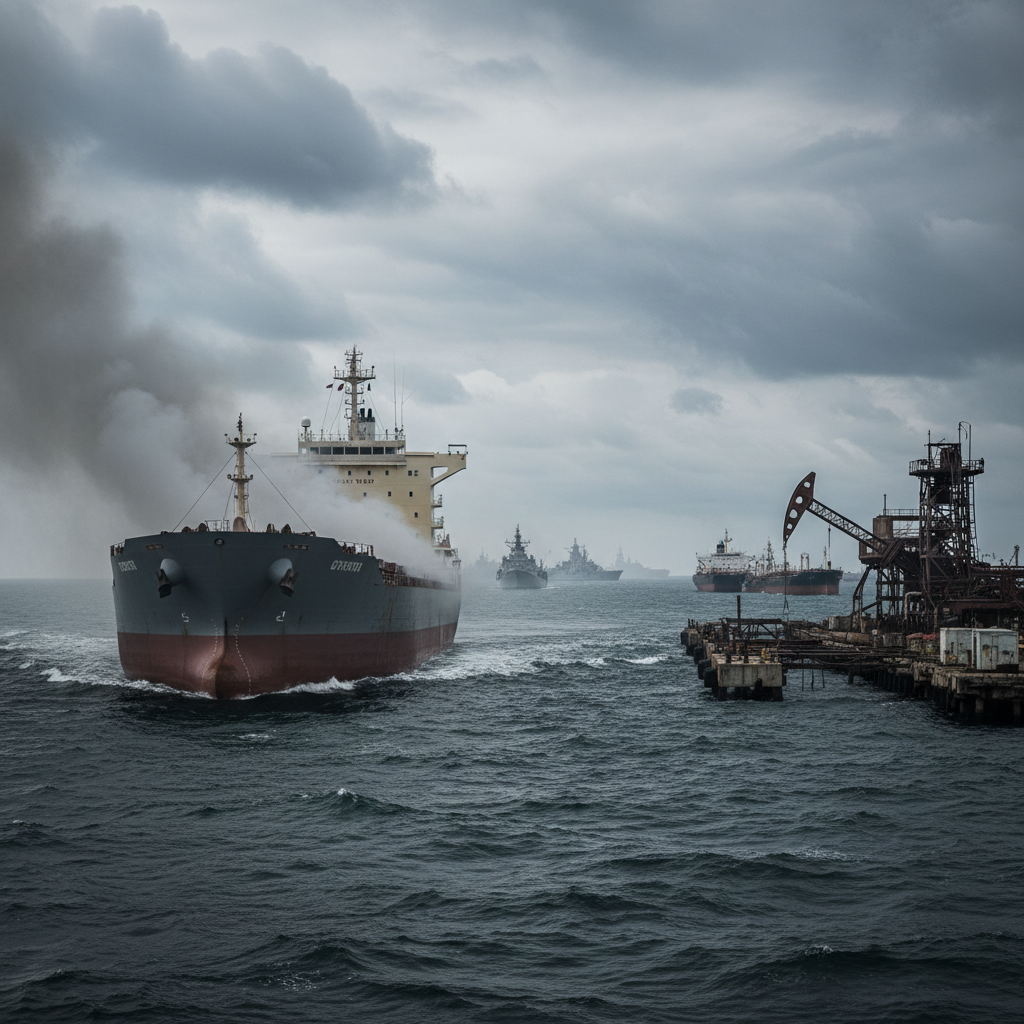
The global supply chain landscape is once again navigating treacherous waters, this time due to a significant escalation of geopolitical tensions in the Black Sea region. On October 19, 2026, a series of military actions dramatically reshaped the risk profile for maritime operations, directly impacting vital trade routes. Reports indicate that dry cargo vessels operating off Ukraine’s coast were struck, while simultaneously, an oil terminal came under attack by Ukraine, affecting a substantial fleet of 25 ships. These events signal a critical juncture, introducing immediate and profound disruptions to cargo movement, commodity flows, and the broader stability of international trade. For supply chain professionals, understanding the multifaceted implications of such direct military engagements on commercial shipping is paramount for effective risk management and continuity planning.
Impacted Lanes
The primary artery under immediate and severe threat is the Black Sea itself, a crucial corridor for agricultural commodities, energy products, and various other bulk goods. The recent strikes directly target vessels and infrastructure within this basin, rendering established trade routes exceptionally hazardous. Shipping lanes leading to and from Ukrainian ports, historically vital for grain exports, are now subject to extreme risk, potentially leading to widespread rerouting or even complete cessation of traffic in specific areas. Similarly, routes connecting to other Black Sea nations, including those for oil tankers, face heightened scrutiny and increased operational costs. The ripple effect extends beyond the immediate conflict zone, as vessels may avoid the entire region, forcing longer transit times around the Mediterranean or through alternative, less efficient pathways, thereby increasing fuel consumption and delivery schedules globally.
Affected Facilities
The direct targeting of an oil terminal, impacting 25 ships, underscores the vulnerability of critical port infrastructure. Such facilities are not merely points of cargo transfer but complex hubs for storage, processing, and distribution. A strike on an oil terminal can lead to immediate halts in operations, damage to storage tanks, pipelines, and loading berths, and significant environmental hazards. Beyond the specific oil terminal, other coastal facilities, particularly those handling dry cargo in Ukraine, are now operating under an elevated threat level. This could lead to port closures, reduced operational capacity due to security concerns, or a reluctance from carriers to call at these ports. The broader implication is a bottleneck effect, where cargo destined for or originating from these facilities must seek alternative, often less equipped or more distant, ports, straining their capacity and increasing overall logistics costs.
Disrupted Modes
Ocean shipping is unequivocally the most disrupted mode of transport in this scenario. The direct targeting of dry cargo vessels and an oil terminal highlights the severe risks faced by commercial maritime traffic. Shipowners and operators are now confronted with difficult decisions regarding vessel deployment, crew safety, and insurance viability. Tankers, specifically those involved with the oil terminal strike, face immediate operational challenges, including potential damage, delays, and the need for urgent rerouting. While air cargo is less directly impacted by naval conflicts, it may experience increased demand for high-value, time-sensitive goods as shippers seek to bypass sea routes. However, air freight capacity and cost limitations mean it cannot fully absorb the volume typically handled by maritime transport. Rail and road networks leading to Black Sea ports could also face indirect pressures, either from increased demand as alternative inland routes or from broader regional instability affecting ground transport logistics.
Supply Chain Ripple Effects
The geopolitical events in the Black Sea propagate far beyond the immediate conflict zone, creating significant ripple effects across global supply chains. Commodity markets, particularly for grain and oil, will experience immediate volatility and price surges as supply certainty diminishes. Insurers will significantly increase war risk premiums for vessels operating in the region, making trade prohibitively expensive for some and leading to a withdrawal of capacity. This, in turn, will exacerbate vessel availability issues, leading to a scramble for alternative shipping solutions and potentially longer lead times for goods. Companies will face increased inventory holding costs as they build safety stocks to buffer against unpredictable supply. Furthermore, the reputational risk associated with operating in conflict zones, coupled with potential legal complexities surrounding force majeure and contractual obligations, adds another layer of challenge for businesses engaged in Black Sea trade.
Mitigation Strategies for Shippers
In this volatile environment, shippers must adopt proactive and agile mitigation strategies. Firstly, diversification of sourcing and shipping routes is critical. Relying on single points of origin or transit through high-risk areas is no longer sustainable. Secondly, enhanced visibility across the entire supply chain becomes non-negotiable. Shippers need real-time data on vessel locations, port statuses, and geopolitical developments to make informed decisions swiftly. Thirdly, robust contingency planning must be in place, outlining alternative transport modes, rerouting protocols, and emergency offloading procedures. Regular risk assessments, integrating geopolitical intelligence with logistics data, are essential to anticipate and respond to emerging threats. Finally, maintaining open communication channels with carriers, freight forwarders, insurers, and customers is vital for managing expectations and coordinating responses during disruptions.
The Role of MGS
In a landscape defined by such acute geopolitical risks, a shipment-visibility control tower like MGS becomes an indispensable asset. MGS provides the real-time, granular tracking necessary to monitor dry cargo vessels and tankers as they navigate or avoid the Black Sea. Its capabilities extend beyond mere location data, offering predictive analytics that can identify potential choke points or emerging risk zones based on integrated geopolitical intelligence feeds. This allows shippers to anticipate disruptions rather than merely react to them. MGS facilitates scenario planning, enabling businesses to model the impact of port closures or route changes and evaluate alternative strategies. Crucially, its proactive alert system can notify shippers of vessels entering high-risk areas or experiencing unexpected delays, empowering immediate intervention. By aggregating vast amounts of data on vessel movements, port congestion, and external risk factors into a single, intuitive platform, MGS provides the decision support vital for navigating complex and rapidly evolving supply chain challenges, ensuring continuity and minimizing financial exposure.
Outlook and Recommendations
The current geopolitical climate in the Black Sea suggests a sustained period of volatility and heightened risk for maritime trade. Shippers should anticipate ongoing disruptions, increased operational costs, and the potential for further escalation. The fundamental recommendation is a shift towards a truly resilient supply chain paradigm, one that prioritizes agility, visibility, and diversification. Investing in advanced supply chain technology, such as the MGS platform, is no longer a luxury but a necessity for maintaining operational continuity and competitive advantage. Furthermore, fostering strong collaborative relationships with logistics partners and insurers will be crucial for navigating the complexities of war risk and ensuring adequate coverage. Long-term strategic planning should critically re-evaluate reliance on single-source regions and critical transit points, building a more robust and adaptable global network capable of withstanding unforeseen geopolitical storms.
Source: TradeWinds — https://www.tradewindsnews.com/casualties/russia-strikes-dry-cargo-vessels-on-ukraine-s-coast/2-1-2060891