
Black Sea Tensions Threaten Global Grain Shipments: A Supply Chain Insight
Escalating geopolitical tensions in the Black Sea region pose a significant and growing threat to vital global grain shipments. Turkish Foreign Minister Hakan Fidan's recent warning underscores the precarious nature of maritime trade routes, impacting key lanes, facilities, and modes of transport. Shippers must navigate heightened risks, from increased costs to supply chain uncertainty, necessitating robust mitigation strategies and advanced visibility tools to maintain operational resilience.
Introduction
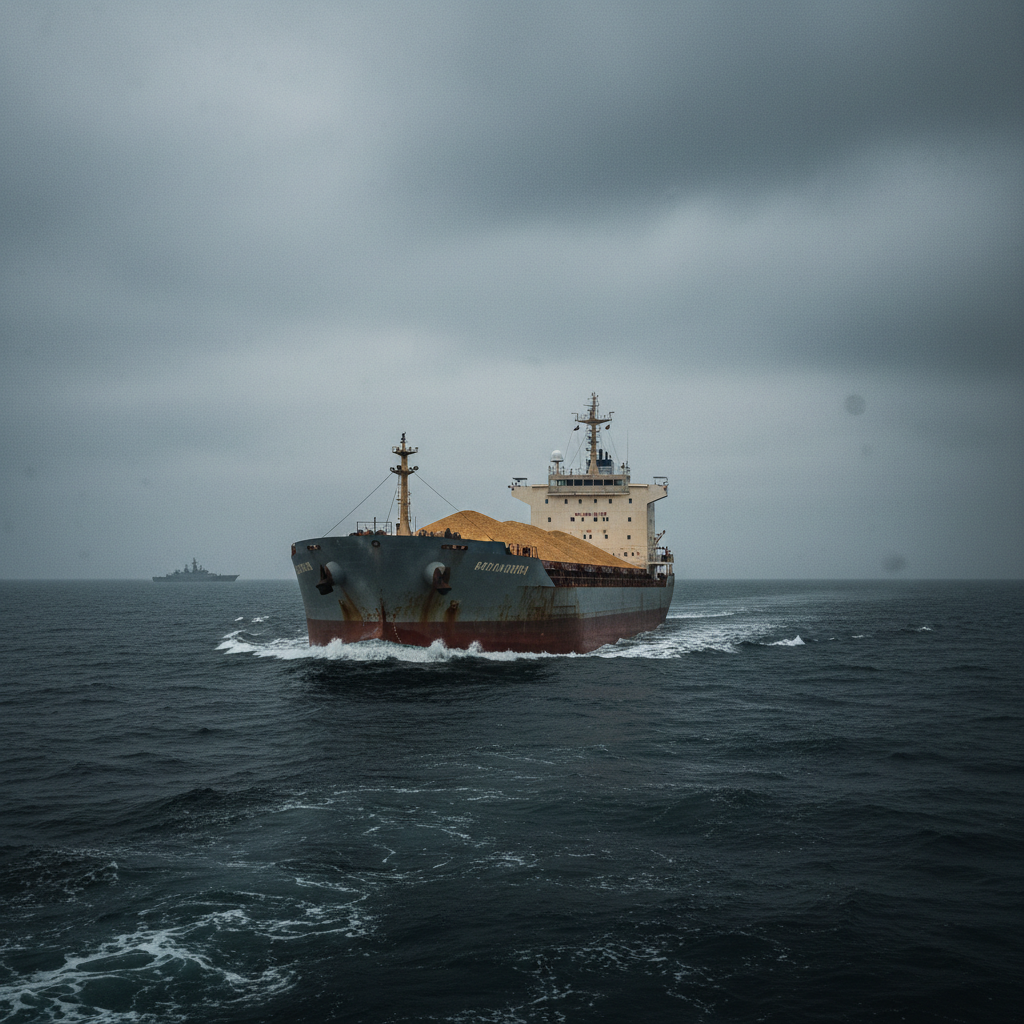
The global supply chain faces persistent volatility, and geopolitical flashpoints remain a primary driver of disruption. The Black Sea region, a critical artery for international trade, is currently under intense scrutiny due to escalating tensions. Recent warnings from Turkish Foreign Minister Hakan Fidan highlight the severe implications of potential attacks, particularly on the movement of essential commodities like grain. This situation transcends typical logistical challenges, introducing complex layers of risk that demand a proactive and informed response from shippers worldwide. The threat of the Black Sea becoming a new front in ongoing conflicts directly imperils the stability of food supply chains, with far-reaching economic and humanitarian consequences.
Affected Lanes
The primary arteries under threat are the maritime shipping lanes traversing the Black Sea. These routes are indispensable for exporting agricultural products from the region, particularly from Ukraine and Russia, to global markets. The most critical chokepoints include the Bosporus and Dardanelles straits, which serve as the sole maritime gateway between the Black Sea and the Mediterranean. Any significant escalation or disruption within the Black Sea itself, whether through direct conflict or heightened security measures, would severely restrict or halt vessel movements through these vital passages. This directly impacts the flow of grain to major importing regions in Africa, the Middle East, and Asia, forcing vessels to reroute or face prolonged delays, significantly increasing transit times and operational costs.
Affected Facilities
Ports along the Black Sea coast are at the epicenter of this disruption. Key Ukrainian ports such as Odesa, Chornomorsk, and Mykolaiv, which historically handle vast volumes of grain exports, are particularly vulnerable. Similarly, Russian Black Sea ports, while perhaps less directly threatened by the specific 'attacks' mentioned in the context of the conflict, would undoubtedly face operational challenges due to heightened security, insurance complexities, and potential retaliatory measures impacting shipping. Beyond the ports themselves, the entire logistical infrastructure supporting these facilities—including grain storage silos, rail networks, and road transport leading to the docks—is subject to disruption. Damage to or restricted access to these facilities can create bottlenecks, limit export capacity, and compromise the integrity of stored commodities, exacerbating the supply chain crisis.
Affected Modes
The predominant mode of transport affected by Black Sea geopolitical tensions is ocean freight. Bulk carriers, specifically designed for transporting commodities like grain, are directly exposed to the risks of maritime conflict. Increased threats necessitate higher insurance premiums, reluctance from vessel operators to enter high-risk zones, and potential re-flagging or re-routing, all of which drive up costs and reduce available capacity. While ocean freight bears the brunt, other modes are indirectly impacted. Rail and road networks leading to Black Sea ports would experience reduced activity if port operations are curtailed. Conversely, alternative land-based routes for grain export, such as rail corridors through Europe or river transport via the Danube, would face increased pressure and congestion as shippers seek viable alternatives, straining their existing capacities and infrastructure.
Impact on Shippers
For shippers, the implications of Black Sea instability are multi-faceted and severe. Foremost is the significant increase in freight costs due to higher insurance premiums for vessels operating in or near conflict zones, along with potential war risk surcharges. This directly impacts the landed cost of goods. Supply chain uncertainty becomes paramount, making forecasting and planning exceptionally difficult. Shippers face longer lead times, unpredictable delivery schedules, and the risk of cargo delays, diversions, or even loss. This volatility can lead to contractual disputes, penalties for late deliveries, and a loss of market share. Furthermore, for commodities like grain, sustained disruption can contribute to global food insecurity, impacting consumer prices and potentially leading to social and political instability in importing nations. Businesses must contend with a rapidly evolving risk landscape that demands constant vigilance and adaptability.
Mitigation Strategies
To navigate the turbulent waters of Black Sea geopolitical risk, shippers must adopt robust mitigation strategies. Diversification of sourcing is crucial; relying on a single region for critical commodities amplifies exposure. Exploring alternative origins, even if they entail higher initial costs, can provide essential resilience. Shippers should also investigate alternative transportation routes, such as overland rail through Europe or increased use of river barges where feasible, though these often come with their own capacity and cost limitations. Building strategic inventory buffers, where possible, can help absorb short-term disruptions. Engaging in proactive risk assessment, including scenario planning for various levels of conflict escalation, is vital. Finally, maintaining open lines of communication with carriers, insurers, and geopolitical intelligence providers is essential for timely decision-making.
MGS Control Tower Advantage
In an environment defined by such acute geopolitical risk, an MGS shipment-visibility control tower becomes an indispensable asset for shippers. The platform provides real-time, end-to-end visibility into cargo movements, allowing shippers to track vessels traversing the Black Sea and identify potential delays or diversions instantly. By integrating geopolitical risk data and alerts, the control tower can proactively flag vessels entering or approaching high-risk zones, enabling immediate contingency planning. Predictive analytics can offer insights into potential port congestion or route changes, helping shippers optimize their logistics strategies. Furthermore, the control tower facilitates seamless communication and collaboration among all supply chain stakeholders—from carriers to customs brokers—ensuring that everyone is working with the most current information. This enhanced visibility and proactive intelligence empower shippers to make informed decisions, minimize disruptions, and maintain business continuity even amidst severe geopolitical challenges.