
Beyond the Chokepoint: Why Port Congestion is the New Front Line in Geopolitical Supply Chain Disruption
Geopolitical events are not just rerouting cargo; they're creating a cascading effect where port congestion and inland capacity constraints now pose the primary threat to global shipping reliability. This brief explores the shift in focus and its implications for trade and transport.
Introduction to the Evolving Threat Landscape
The global supply chain has become inextricably linked to geopolitical dynamics, with events far from traditional trade hubs often sending ripples across continents. For years, the immediate concern stemming from geopolitical tensions centered on direct route disruptions – blocked waterways, contested airspaces, or sudden border closures. While these remain critical challenges, a significant shift in the operational threat landscape is now evident. Industry leaders, including those from major carriers like Maersk and Hapag-Lloyd, are increasingly highlighting that while strategic chokepoints still demand attention, the day-to-day operational headache and the primary impediment to schedule reliability and on-time delivery has moved. It is no longer just about where cargo can go, but how efficiently it can move once it gets there – specifically, the escalating problem of port congestion and the subsequent strain on inland logistics.
Impact on Maritime Routes and Waterways
Geopolitical flashpoints frequently necessitate significant rerouting of maritime traffic. When critical waterways become inaccessible or too risky, vessels are forced to take longer, alternative paths. For instance, disruptions in key maritime chokepoints can compel ships to circumnavigate entire continents, adding thousands of miles and weeks to transit times. This not only inflates fuel consumption and operational costs but also drives up insurance premiums, directly impacting freight rates. The extended voyages mean fewer vessel rotations, effectively reducing available shipping capacity on a global scale. Furthermore, the unpredictable nature of these diversions makes scheduling a logistical nightmare, contributing to a ripple effect of delays that extends far beyond the initial point of disruption. These longer, less efficient routes are a foundational cause of the subsequent port congestion, as ships arrive off-schedule and in unpredictable clusters.
Consequences for Airspace and Air Cargo
Similar to maritime routes, geopolitical tensions can directly impact global air cargo operations by rendering certain airspaces inaccessible. When major flight corridors are closed, airlines must reroute aircraft, often adding significant distances to journeys. These longer routes translate to increased fuel burn, higher operational costs, and extended flight times. The need for additional fuel can also reduce cargo payload capacity, further straining an already tight air freight market. Beyond the direct operational costs, rerouting can lead to crew scheduling complexities, increased maintenance demands, and a general reduction in the overall efficiency of air cargo networks. The resulting capacity crunch and elevated costs are ultimately passed down the supply chain, affecting the speed and affordability of urgent shipments.
Role of Tariffs and Sanctions
Tariffs and sanctions, while not directly blocking physical routes, profoundly alter global trade flows and create significant logistical challenges. Imposed by governments as tools of economic policy, these measures can make certain trade lanes economically unviable or legally prohibited. This forces companies to seek alternative sourcing or sales markets, often leading to new, less optimized supply routes. For example, if sanctions target a specific country, goods previously flowing through established channels might be redirected to neighboring nations, which may lack the infrastructure or capacity to handle the sudden surge in volume. This redirection can overwhelm nascent logistics networks, create new chokepoints, and lead to unexpected delays and increased costs as supply chains adapt to the new regulatory landscape. The MGS control tower becomes invaluable here, providing visibility into the actual movement of goods as they navigate these new, often complex, trade corridors, allowing for proactive adjustments to avoid compliance issues and minimize disruption.
The Rise of Port Congestion and Inland Constraints
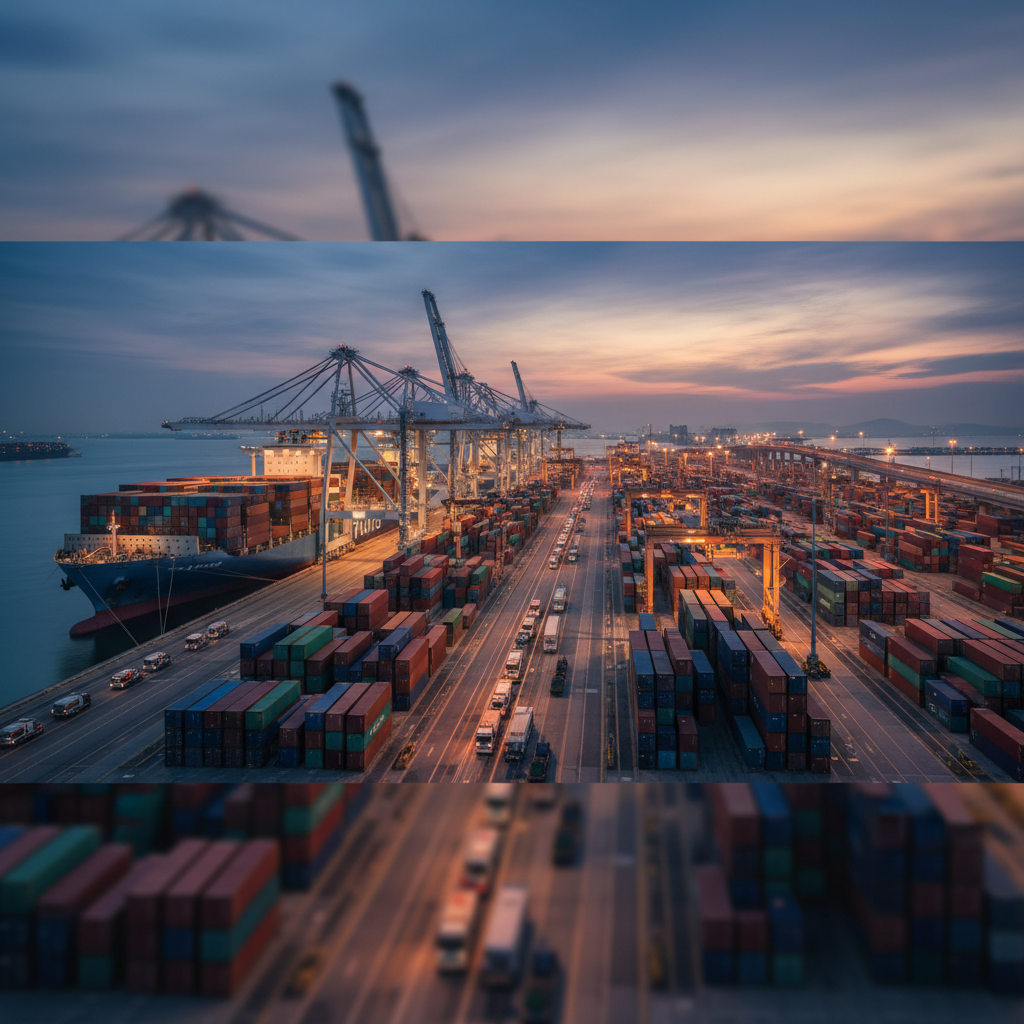
While direct route disruptions grab headlines, the cascading effect of these events on port operations and inland logistics has emerged as the more pervasive and persistent threat to supply chain reliability. Geopolitical rerouting, as discussed, causes vessels to arrive at ports out of sequence and in unpredictable batches, overwhelming terminal capacity. Ports, designed for a certain throughput and schedule, struggle to cope with these 'bunching' effects. This leads to extended waiting times for ships at anchor, delays in unloading, and a backlog of containers on the quay. The problem is compounded by a lack of sufficient inland capacity – a shortage of trucks, rail cars, drayage services, and warehouse space – to clear cargo quickly once it has been offloaded. This creates a vicious cycle: delayed cargo occupies valuable port space, further exacerbating congestion and slowing down subsequent vessel movements. The result is a dramatic decline in schedule reliability and predictable on-time delivery, making inventory management and production planning exceptionally difficult for businesses. An MGS shipment-visibility control tower offers critical insights into real-time vessel positions, port queue times, and inland transport availability, enabling proactive decision-making to mitigate the impact of such bottlenecks.
Broader Economic and Supply Chain Implications
The cumulative effect of rerouted cargo, airspace closures, trade policy shifts, and most significantly, port and inland congestion, has profound economic and supply chain implications. Increased transit times and higher freight costs contribute directly to inflationary pressures, as businesses pass on these expenses to consumers. The unpredictability in delivery schedules forces companies to hold larger safety stocks, tying up capital and increasing warehousing costs, or conversely, leads to stockouts and lost sales if inventory levels are too lean. This environment fosters a reduction in overall supply chain predictability, making long-term planning challenging and increasing operational risk. Businesses are compelled to re-evaluate their sourcing strategies, often seeking greater diversification and regionalization to build more resilient, albeit potentially more costly, supply networks. The ability to track and predict cargo movement across these complex and often disrupted pathways becomes a competitive differentiator.
Leveraging Shipment Visibility for Resilience
In this increasingly volatile landscape, an MGS shipment-visibility control tower is no longer a luxury but a strategic imperative. By providing real-time, end-to-end visibility across all modes of transport – maritime, air, and inland – the platform empowers supply chain professionals to anticipate and react to disruptions with agility. It offers granular detail on vessel locations, estimated times of arrival (ETAs) that dynamically adjust to rerouting and port queues, and insights into inland capacity constraints. This allows businesses to proactively reroute shipments, optimize inventory levels, communicate accurate delivery expectations to customers, and identify alternative transport options before delays become critical. Furthermore, by consolidating data from various sources, an MGS control tower provides the analytical capabilities to identify emerging patterns of congestion and risk, enabling more informed strategic planning and the development of truly resilient supply chain operations capable of navigating geopolitical complexities.
Source: Dryad Global — https://channel16.dryadglobal.com/beyond-route-disruption-why-port-congestion-is-now-the-bigger-threat-to-shipping-reliability