
AI's Coordination Premium: Organizational Design as the New Supply Chain Imperative
As artificial intelligence reshapes supply chain operations, the true differentiator isn't just the technology itself, but an organization's ability to coordinate effectively. This 'coordination premium' elevates organizational design to a critical strategic advantage, impacting global flows, financial outcomes, and the very structure of trade.
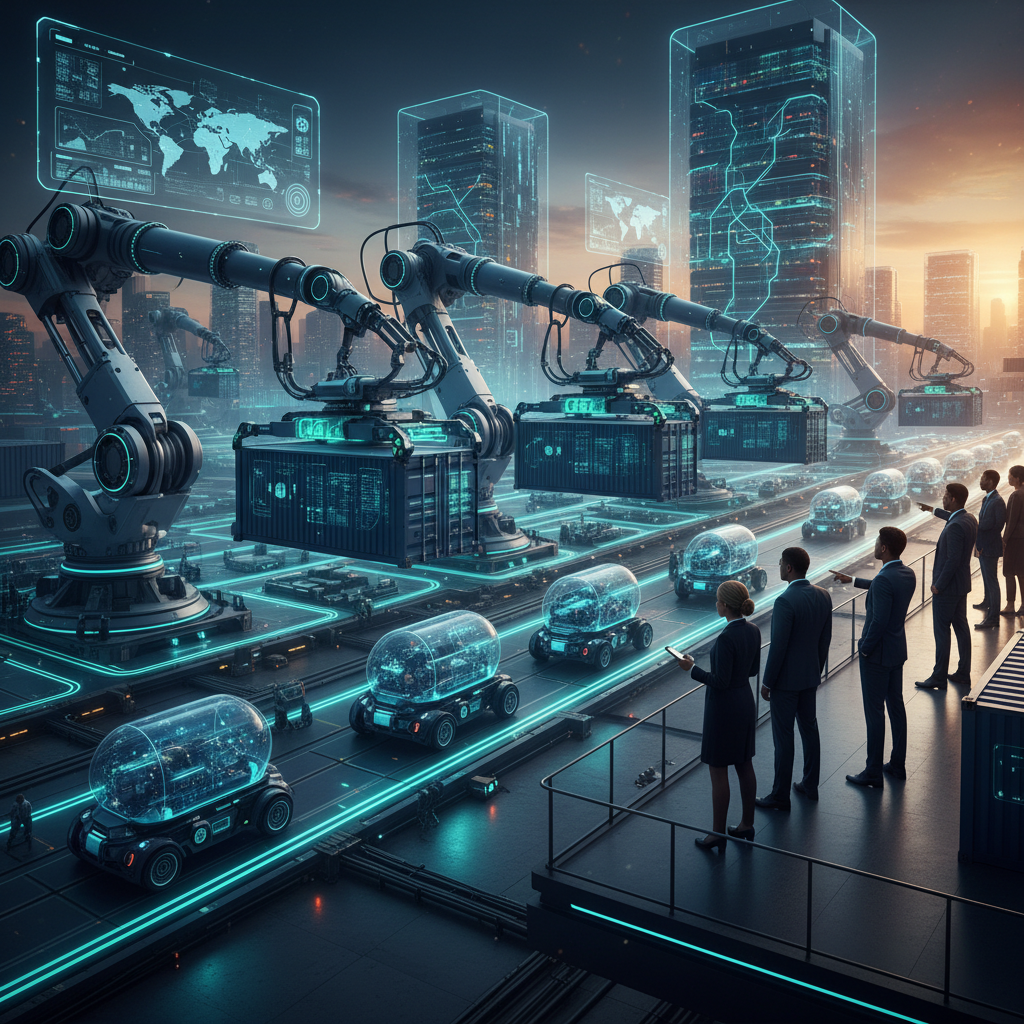
Artificial intelligence is rapidly transforming the landscape of global supply chains, moving beyond mere technological advancement to fundamentally alter how goods move, are stored, and are planned. While much attention rightly focuses on the technical prowess of AI—its evolving models, declining operational costs, and expanding capabilities—the deeper, more profound impact lies in its demand for superior organizational design. The core insight emerging is that AI doesn't just automate; it amplifies the value of effective coordination, creating a 'coordination premium' for those supply chain entities structured to leverage it fully.
This shift means that the competitive edge in an AI-driven world will increasingly belong to organizations that can seamlessly integrate AI insights across their disparate functions. It's not enough to have intelligent software or automated warehouses; the true challenge, and opportunity, is ensuring that these AI-powered capabilities translate into coherent, agile, and unified supply chain actions. Without a deliberate focus on organizational design that fosters cross-functional coordination, the promise of AI risks being bottlenecked by internal silos and inefficient processes.
How this impacts the global supply chain
The advent of sophisticated AI applications is poised to dramatically reshape global supply chain flows, routes, capacity utilization, and overall operations. AI's ability to process vast datasets can optimize shipping routes in real-time, predict potential bottlenecks or disruptions, and dynamically adjust inventory levels across a network. This promises more efficient global flows, reducing transit times and improving delivery reliability. However, realizing these benefits hinges entirely on an organization's internal structure and its capacity for coordination. For instance, an AI system might identify an optimal, faster route for a shipment, but if the procurement, logistics, and customs teams within a company, or even across different companies in a supply chain, are not coordinated, the execution of this optimized route can be delayed or even negated by administrative hurdles or miscommunication. The 'coordination premium' means that organizations with agile, integrated decision-making structures will be able to capitalize on AI-driven insights to achieve superior performance in terms of speed, cost, and reliability.
Regarding capacity, AI can lead to more intelligent utilization of assets, from warehouse space to vessel capacity, by predicting demand fluctuations and optimizing load planning. Yet, this requires coordination between sales forecasting, production scheduling, and logistics planning to ensure that capacity is not just available, but optimally deployed. Operations will become increasingly automated, with AI handling routine tasks and flagging exceptions. This shifts the human role towards oversight, strategic decision-making, and managing complex exceptions, demanding a higher level of coordinated human intervention when AI identifies issues. Global supply chains will likely see a divergence: those with advanced AI and robust organizational coordination will achieve unprecedented levels of efficiency and responsiveness, while those lacking the necessary internal structures will struggle to integrate AI effectively, leading to uneven global performance and increased competitive pressure.
Global financial impact
The financial implications of this 'coordination premium' for shippers, carriers, and global trade are substantial. For shippers, the potential for significant cost savings is immense. AI-driven optimization of routes, inventory, and warehousing can drastically reduce operational expenditures, lead to lower carrying costs, and minimize waste. However, these savings are contingent on the shipper's ability to coordinate internally and with external partners to implement AI's recommendations effectively. A lack of coordination could mean that investments in AI yield suboptimal returns, becoming costly technological upgrades rather than transformative financial advantages. The 'coordination premium' implies that those who master coordination will gain a distinct financial edge, enjoying lower unit costs and improved profitability.
Carriers stand to benefit from AI through optimized fleet management, predictive maintenance, and more efficient scheduling, leading to reduced fuel consumption and increased asset utilization. This translates directly into improved margins. Yet, for these benefits to materialize, carriers must ensure their dispatch, operations, and maintenance departments are tightly coordinated, acting on AI-generated insights in unison. Without this, the efficiency gains from AI might be lost in operational friction. Carriers with superior coordination will be able to offer more competitive rates and reliable services, attracting more business.
For trade at large, the widespread adoption of AI, coupled with enhanced organizational coordination, could lead to a general reduction in global logistics costs. This could make international trade more accessible and competitive, potentially boosting global economic activity. However, the initial capital outlay for advanced AI systems and the necessary organizational restructuring could be significant, creating a barrier to entry for smaller businesses or those in regions with less developed infrastructure. The financial reward, or 'premium,' will accrue to those who proactively invest in both AI technology and the organizational agility required to harness its full potential, potentially widening the gap between technologically advanced and less coordinated supply chain participants.
How MGS can help navigate today's global trade environment
In an era where AI amplifies the need for coordination, a shipment-visibility control tower like MGS becomes an indispensable tool for navigating the complexities of global trade. MGS directly addresses the 'coordination premium' by providing a unified, real-time data platform that fosters organizational agility. AI systems thrive on data, and MGS delivers the granular, up-to-the-minute visibility that AI needs to generate accurate insights, from predicting transit times to identifying potential disruptions. By centralizing all shipment-related information—from carrier data to customs status—MGS creates a single source of truth, eliminating information silos that often plague large, complex organizations.
This centralized visibility is crucial for enabling the coordinated decision-making that AI demands. When an AI system flags a potential delay or suggests an alternative route, MGS allows various departments—be it procurement, logistics, sales, or customer service—to access the same, consistent information simultaneously. This facilitates rapid, informed, and coordinated responses, preventing delays and mitigating risks. For example, if AI predicts a port congestion, MGS can immediately show which shipments are affected, allowing teams to collaboratively plan reroutes or communicate proactively with customers, all based on shared, real-time data. MGS doesn't replace organizational design, but it provides the essential digital infrastructure that makes a well-designed, coordinated organization truly effective in leveraging AI for operational excellence and strategic advantage in today's dynamic global trade environment.
Demand–supply analysis & improvement
AI's impact on supply chain planning, as highlighted in the source, directly translates to significant improvements in demand-supply dynamics. AI-driven analytics can drastically enhance the accuracy of demand forecasting by processing historical data, market trends, external factors, and even real-time consumer behavior. This improved foresight allows organizations to optimize inventory levels, reduce stockouts, and minimize excess stock, leading to a better balance between supply and demand. However, the 'coordination premium' is critically evident here: even the most accurate AI-generated demand forecast is useless if the organizational structure cannot effectively translate it into coordinated action. If the sales team, production planning, and logistics departments operate in silos, the superior insights from AI will not seamlessly flow into production schedules, material procurement, or distribution plans. To truly capitalize on AI's planning capabilities, organizations must implement cross-functional planning teams, integrated data systems, and clear communication protocols that ensure AI-driven demand signals are acted upon cohesively across the entire supply chain. This coordinated approach ensures that improved forecasts translate into tangible improvements in supply chain responsiveness and efficiency, directly impacting customer satisfaction and profitability.
ROI-focused resilience
While the source doesn't explicitly mention resilience, the implications of AI on organizational design and coordination have direct ROI-focused resilience benefits. AI's capacity for predictive analytics can significantly enhance a supply chain's ability to anticipate and mitigate disruptions, protecting against quantified risks. For instance, AI can analyze weather patterns, geopolitical events, and port congestion data to predict potential disruptions before they occur. The 'coordination premium' then dictates the return on investment for these AI capabilities. An investment in AI to predict a 10% chance of a major port closure, for example, only yields its full ROI if the organization is coordinated enough to quickly implement alternative shipping routes, reallocate inventory, or communicate effectively with affected customers and suppliers. The cost of inaction or slow, uncoordinated responses to such a disruption can be immense, including penalties, lost sales, reputational damage, and increased operational costs. By contrast, an investment in organizational design that enables rapid, coordinated responses to AI-predicted threats—facilitated by tools like MGS—protects against these significant financial losses. The ROI of such resilience actions is measured not just in avoided costs, but also in maintaining business continuity and customer trust, turning potential crises into manageable challenges through proactive, coordinated action.
Source: Logistics Viewpoints — https://logisticsviewpoints.com/2026/08/13/the-coordination-premium-why-ai-makes-organizational-design-more-important/