
AI-Powered Trailer Loading: Reshaping Global Logistics Efficiency
FedEx and Dexterity's expanded deployment of physical AI for autonomous trailer loading signals a transformative era for supply chain operations. This brief examines the profound implications for global logistics, financial dynamics, demand-supply equilibrium, and how advanced visibility platforms like MGS become indispensable in this evolving landscape.
How this impacts the global supply chain
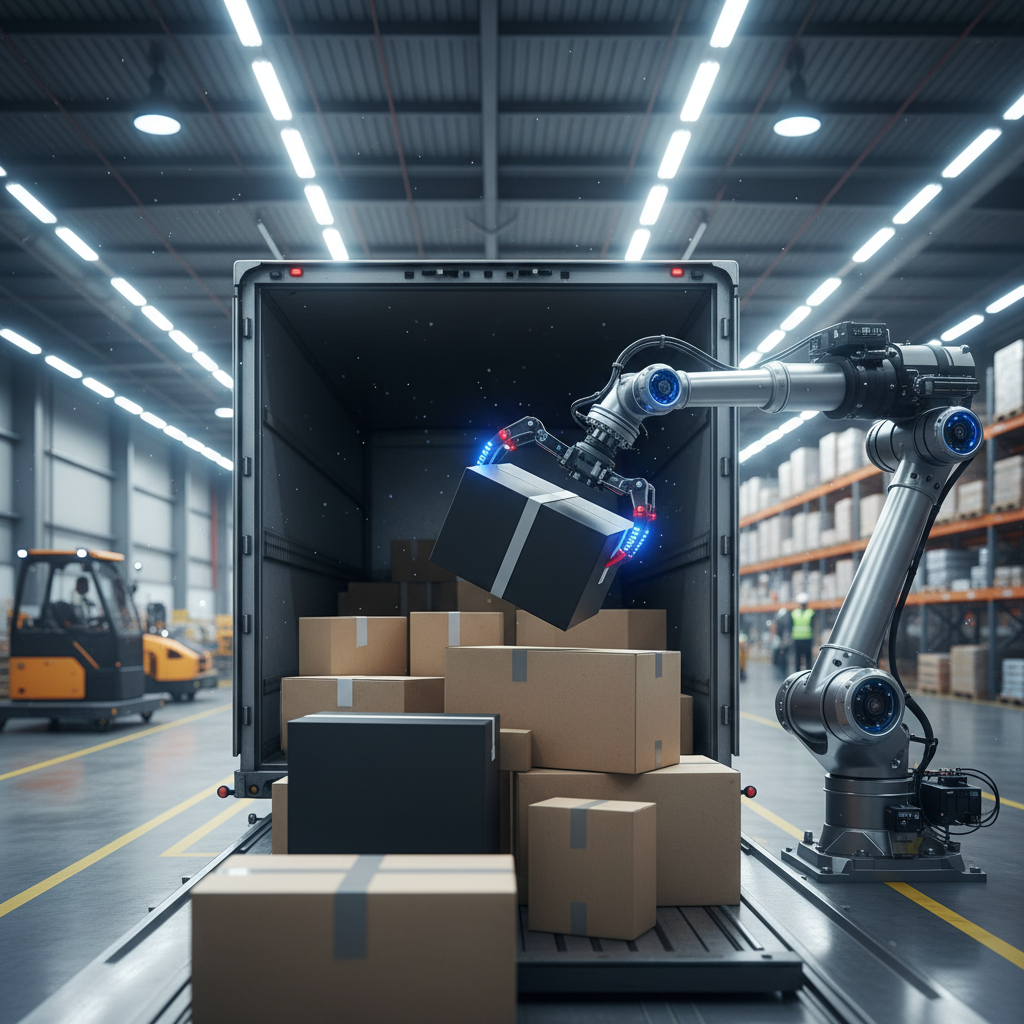
The expansion of physical AI for autonomous trailer loading by FedEx and Dexterity signifies a major shift in global supply chain operations. Leveraging intelligent robots for complex industrial tasks, this development will profoundly influence efficiency, capacity, and operational dynamics.
Firstly, supply-chain flows will accelerate. Autonomous systems dramatically reduce trailer dwell times at distribution centers and cross-dock facilities. Robots operate continuously, 24/7, without fatigue, unlike manual processes. This continuous operation boosts throughput, alleviating bottlenecks and ensuring faster, smoother goods movement. Precision robotic loading also minimizes errors and cargo damage, leading to more reliable flows.
While fundamental routes remain, efficiency gains at logistics nodes will optimize scheduling. Faster loading/unloading frees transport assets sooner, allowing carriers to refine network schedules for tighter connections and more aggressive transit times. Improved predictability at hubs enhances route viability. Round-the-clock dock operation offers flexibility, potentially shifting freight movements to off-peak hours for greater efficiency.
The impact on capacity is substantial. Autonomous loading increases the effective capacity of existing docks and trailers by processing more freight faster through the same infrastructure. Intelligent robots optimize load configurations, maximizing cubic utilization and reducing per-unit costs. Crucially, by automating a labor-intensive task, this technology addresses persistent labor shortages, reallocating human capital and bolstering overall supply chain resilience against workforce fluctuations.
Finally, operations are transformed. Autonomous loading introduces standardization and precision. Robots consistently follow optimal loading patterns, minimizing damage, ensuring stability, and adhering to safety regulations more reliably. Integration with Warehouse Management (WMS) and Transportation Management Systems (TMS) enables real-time data exchange for automated load planning. This seamless data flow facilitates predictive analytics and proactive decision-making, enhancing safety and allowing operations in challenging conditions.
Global financial impact
The expansion of physical AI for autonomous trailer loading by FedEx and Dexterity carries significant financial and cost implications for carriers, shippers, and global trade, poised to redefine logistics cost structures and enhance economic efficiencies.
For carriers like FedEx, financial benefits primarily stem from operational expenditure reductions. A major saving is labor cost reduction. Trailer loading is highly labor-intensive; intelligent robots significantly reduce reliance on manual labor. Despite initial capital investment, long-term operational savings from reduced wages, benefits, and overheads are expected to yield a strong return. Increased operational efficiency and throughput also boost revenue potential from existing assets. Faster trailer turnaround means each truck and dock handles more freight daily, increasing revenue-generating capacity without proportional fixed cost increases. Robotic precision also leads to a reduction in cargo damage and errors, minimizing costly insurance claims, rework, and customer dissatisfaction.
Shippers will benefit from these efficiencies. In the long term, carrier cost savings could translate into potentially lower shipping costs. More immediately, shippers will experience faster and more predictable transit times. Reduced dwell times at docks contribute to quicker overall journeys, leading to substantial savings in inventory holding costs. Shorter lead times and increased supply chain reliability allow businesses to operate with leaner inventories, reducing tied-up capital and warehousing expenses. Improved reliability and reduced damage enhance supply chain predictability, helping shippers manage logistics more effectively and avoid costly disruptions.
At the level of trade at large, widespread automation can have a macroeconomic impact. A more efficient, reliable, and potentially lower-cost logistics sector acts as a catalyst for global commerce. Reduced friction and cost in moving goods across borders can stimulate trade volumes, making international supply chains more attractive. For industries reliant on rapid replenishment, enhanced speed and reliability can open new markets. The cumulative effect of these efficiencies across the global logistics network can boost overall economic productivity and growth, fostering a more robust global trading environment.
How MGS can help navigate today's global trade environment
In an increasingly automated logistics landscape, where physical AI systems like those deployed by FedEx and Dexterity transform ground operations, a sophisticated shipment-visibility control tower like MGS becomes even more indispensable. MGS provides the overarching intelligence and transparency needed to manage the entire supply chain effectively, complementing physical automation with critical digital oversight.
MGS helps operators by offering real-time insights into automated processes. Integrating directly with data streams from autonomous loading systems, MGS provides confirmation that a trailer has been loaded, precisely when, and potentially with load configuration details. This granular visibility allows immediate verification of the automated system's performance and adherence to schedule, bridging the gap between physical automation and digital oversight.
Crucially, MGS excels in exception management and proactive intervention. If an autonomous loading system encounters an issue – such as a misaligned pallet or a sensor malfunction – MGS immediately flags the discrepancy. By comparing real-time data from the loading dock against planned schedules, MGS triggers alerts to human operators. This enables swift intervention, whether dispatching a technician or adjusting downstream schedules. Without this visibility, a problem at an automated dock could cause cascading delays. MGS transforms potential blind spots into actionable intelligence, ensuring automation enhances overall control.
Furthermore, the predictability offered by autonomous loading, combined with MGS's capabilities, enables optimized scheduling and resource allocation across the entire journey. Knowing precisely when a trailer is loaded and ready allows MGS to provide highly accurate estimated times of arrival (ETAs) for subsequent legs. This information is invaluable for managing onward transportation, warehouse receiving teams, and final-mile delivery schedules. Downstream operations can be precisely coordinated, reducing idle time for receiving docks and personnel. MGS leverages this enhanced predictability to suggest optimal routes, consolidate shipments, and synchronize all supply chain components, maximizing efficiency.
Finally, MGS provides the data foundation for continuous performance analysis and strategic optimization. By collecting and analyzing data on loading times, throughput, and error rates from autonomous systems, MGS offers a comprehensive view of the technology's impact. Operators can leverage MGS's analytics to measure the ROI of automation investments, identify areas for improvement, and refine operational strategies. This data-driven approach ensures the benefits of physical AI are fully realized and continuously optimized within the broader global trade environment.
Demand–supply analysis & improvement
The deployment of physical AI for autonomous trailer loading by FedEx and Dexterity directly addresses critical supply-side constraints to meet evolving demand dynamics in global logistics. The automation of this core function inherently responds to the need for greater capacity, speed, and reliability in the supply chain.
On the demand side, global trade increasingly requires faster, more predictable, and cost-effective delivery. E-commerce growth, just-in-time inventory strategies, and heightened customer expectations drive this demand. Shippers need logistics partners who can guarantee speed and reliability, minimizing lead times and inventory holding costs. Traditional manual loading processes, with their variability, labor dependency, and potential for delays, often struggle to consistently meet these escalating demands for 24/7 operations and higher volumes.
On the supply side, the logistics industry faces significant challenges. A primary constraint is labor availability and cost. Manual trailer loading is physically demanding, leading to high turnover and recruitment difficulties for demanding shifts. This labor shortage impacts carriers' ability to scale operations. Additionally, physical limitations of manual processes mean loading docks often become bottlenecks, limiting distribution center throughput. Human speed and endurance limits prevent continuous, high-speed operation, and consistency can vary, leading to suboptimal trailer utilization or increased damage.
The expansion of autonomous trailer loading acts as a direct improvement lever:
- Increased Throughput and Speed: Automation significantly boosts trailer processing speed. Robots operate continuously, breaking dock bottlenecks and allowing more goods to flow faster, directly meeting demand for rapid delivery.
- Reduced Labor Dependency: Physical AI mitigates labor shortages, reallocating human resources and creating a more resilient operational model less susceptible to market fluctuations.
- 24/7 Operation Capability: Robots enable true 24/7 dock operation, maximizing infrastructure and asset utilization, supporting round-the-clock logistics demands.
- Optimized Space and Asset Utilization: Intelligent robots optimize load configurations, maximizing cubic utilization per trailer. This means more freight per vehicle, reducing trips, fuel consumption, and overall cost, addressing demand for cost-effective transportation.
- Enhanced Reliability and Quality: Robotic precision reduces errors and cargo damage, leading to a more reliable supply chain, a key demand driver for shippers.
This technological advancement is a strategic response to global trade's evolving demands, providing concrete levers to improve supply chain capacity, speed, and resilience by overcoming traditional operational constraints.
Source: Courier News — https://couriernews.co.uk/blog/fedex-and-dexterity-expand-physical-ai-deployment-for-autonomous-trailer-loading/