
MGS Insights
The Control Tower
For enquiries on articles, speaking opportunities and general inspiration with industry data trends — write to us!
 IndustryCainiao's Mexico Expansion: A Catalyst for E-commerce Logistics in Latin America
 FinanceSumitomo's Strategic Asset Shifts: A Conceptual Framework for Capital Efficiency
 Data InsightsThe Evolving WMS: From Warehouse Core to Supply Chain Nerve Center
 OperationsAI's Quiet Revolution: Beyond Job Cuts to Supply Chain Structure Transformation
 FinanceStrategic Liquidity: Unlocking Business Value from Investment Portfolios
 FinanceNavigating the Headwinds: Strategic Responses to Surging Treasury Yields and Energy Costs
 IndustrySailing Towards Sustainability: Maersk's Wind Pilot and the Future of Supply Chain Visibility
 FinanceCapitalizing on Potential: Strategic Value Creation for a Cash-Rich, Pre-Revenue Enterprise
 Data InsightsBridging the Gaps: Why Supply Chain's 'Operating System' is the New Imperative
 FinanceNavigating Energy Volatility: Strategic Imperatives for Business Resilience

Securing the Semiconductor Supply Chain: A Deep Dive into Modern Threats
Explore the escalating security threats in semiconductor logistics, from sophisticated cargo theft to signal jamming, and discover why traditional measures are no longer enough to protect these critical supply chains.
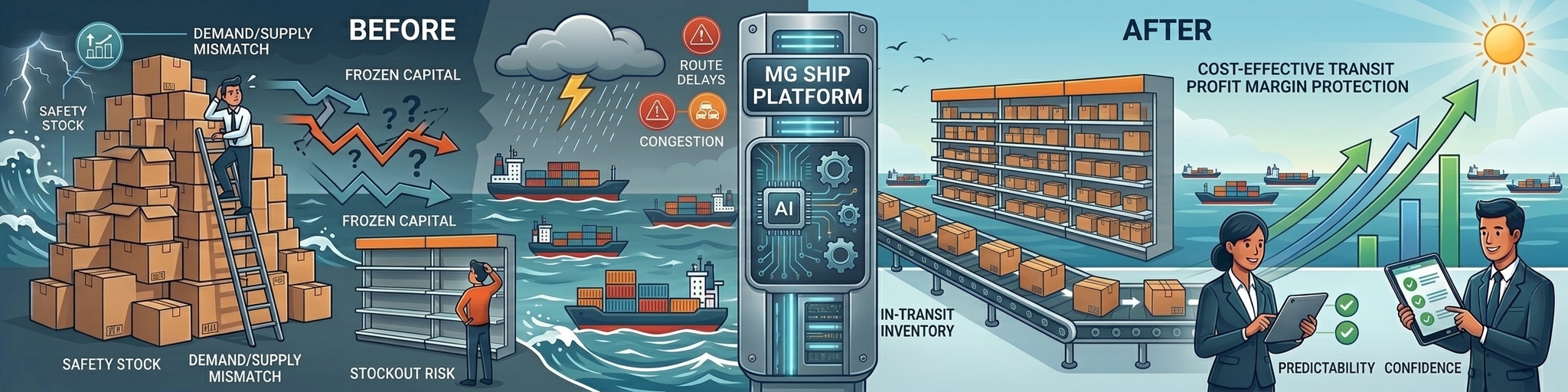
From PepsiCo's Profit Squeeze to Retail Resilience: How MG Ship Helps Retailers Balance Supply and Demand Before They Ship

Ethanol Bunkering: A New Horizon for Sustainable Maritime Logistics

Panama Canal Drought: Navigating the Supply Chain Bottleneck
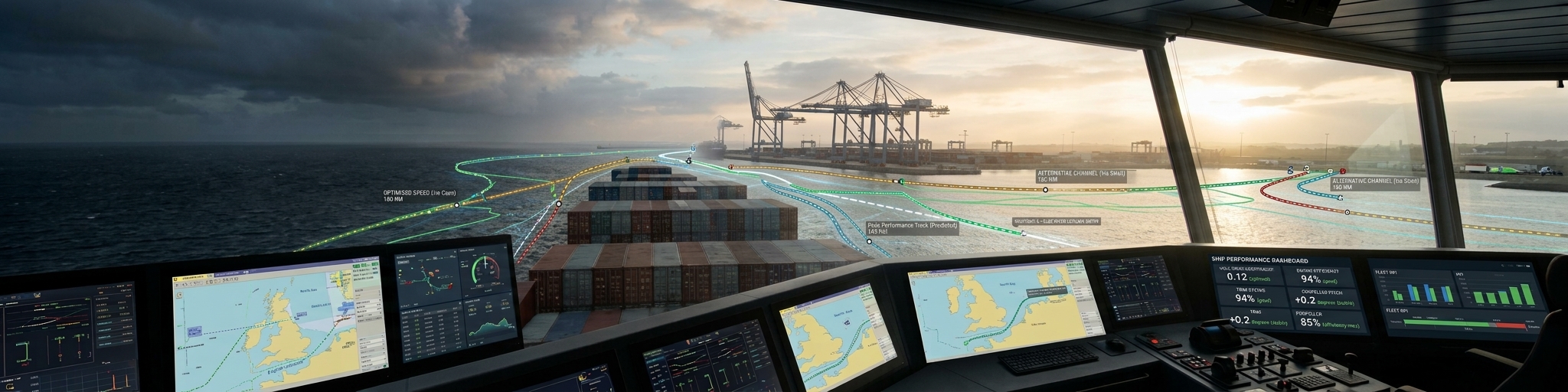
Navigating Logistics Disruptions: Why Proactive Multimodal Intelligence is No Longer Optional

When Typhoon Recovery Becomes the Real Risk: How MG Ship’s Predictive AI Stabilises Global Supply Chains

From “Where Is It?” to “What’s Next?”: How MG Ship Helps Brands Cut Logistics Cost, De-Risk Operations, and Focus on Expansion

More from the control tower

AI's Double-Edged Sword: Elevating Supply Chain Efficiency While Amplifying Cyber Risk
As AI permeates every facet of the global supply chain, from planning to transportation, it introduces unprecedented efficiencies alongside complex new cybersecurity vulnerabilities. This brief explores the operational, financial, and strategic implications of this evolving landscape, and how enhanced visibility is critical for resilience.

Navigating the Storm: Hormuz Attack Highlights Urgent Need for Supply Chain Visibility
A recent attack sinking a containership in the Strait of Hormuz signals escalating threats to global trade. This brief analyzes the profound impacts on supply chain flows, financial costs, and how advanced visibility platforms like MGS are crucial for navigating such volatile environments.

Beyond Reporting: Why Scope 3 Emissions Demand a Supply Chain Data Revolution
The challenge of Scope 3 emissions isn't just about generating reports; it's a fundamental data architecture crisis within global supply chains. Credibility hinges on granular activity data, clear lineage, and explicit uncertainty, not just polished presentations. This brief explores the profound impacts on global trade, financial implications, and how advanced visibility platforms are becoming indispensable.

Geopolitical Crosscurrents: Navigating Disruption in Global Cargo Movement
Geopolitical events are fundamentally reshaping global cargo movement, forcing reroutes, escalating costs, and introducing new complexities across air and sea. This analysis explores the direct consequences for trade and transport, highlighting the critical need for advanced shipment visibility to navigate an increasingly unpredictable supply chain landscape.

Geopolitical Crosscurrents: Navigating Disruption in Global Cargo Movement
Recent geopolitical events, from heightened tensions in critical maritime chokepoints to ongoing conflicts impacting energy infrastructure, are reshaping the landscape of global cargo movement. This brief analyzes the immediate and cascading consequences for trade and transport, highlighting the critical role of real-time visibility in mitigating risk and maintaining supply chain resilience.

Geopolitical Tensions Escalate: Navigating Disruption in the Strait of Hormuz
Recent attacks on commercial vessels in the Strait of Hormuz highlight the volatile nature of key transit channels, impacting global supply chains and commodity prices. Shippers face heightened risks and demand advanced visibility to mitigate disruptions.

Navigating Peril: Geopolitical Disruptions in the Strait of Hormuz and Supply Chain Resilience
Recent ship attacks in the Strait of Hormuz are escalating geopolitical risks for global shipping. This MGS Insight brief examines the critical impact on maritime trade lanes and facilities, and outlines strategic responses for shippers leveraging real-time visibility to navigate heightened uncertainty.

Escalating Financial Pressures: A Wake-Up Call for Sustainable Growth
Analyzing fiscal year 2026's financial landscape reveals critical insights for business leaders. With US interest payments surging 8% to $1.05 trillion and overall spending growing 6% to $7.4 trillion, while revenue rose only 3% to $5.4 trillion, the widening gap underscores the imperative for rigorous financial stewardship, strategic operational adjustments, and a renewed focus on sustainable growth models within any organization.

Navigating AI Expansion: Financial Prudence Amidst Rising Borrowing Costs
As the ambition for global AI expansion intensifies, businesses face a critical challenge: escalating borrowing costs. This brief explores how optimizing core financial and operational levers becomes paramount to sustain growth, manage risk, and ensure the viability of substantial AI infrastructure investments in a tighter credit environment.